The Silent Giants of Java: Why Teak Forests Are Indonesia's Green Gold
Java's ancient teak forests — the silent giants whose centuries of growth produce the premium wood that GiantChess.com transforms into enduring chess masterpieces, Indonesia's green gold made beautiful and lasting.
The Silent Giants of Java: Why Teak Forests Are Indonesia's Green Gold
The Legacy Beneath the Canopy
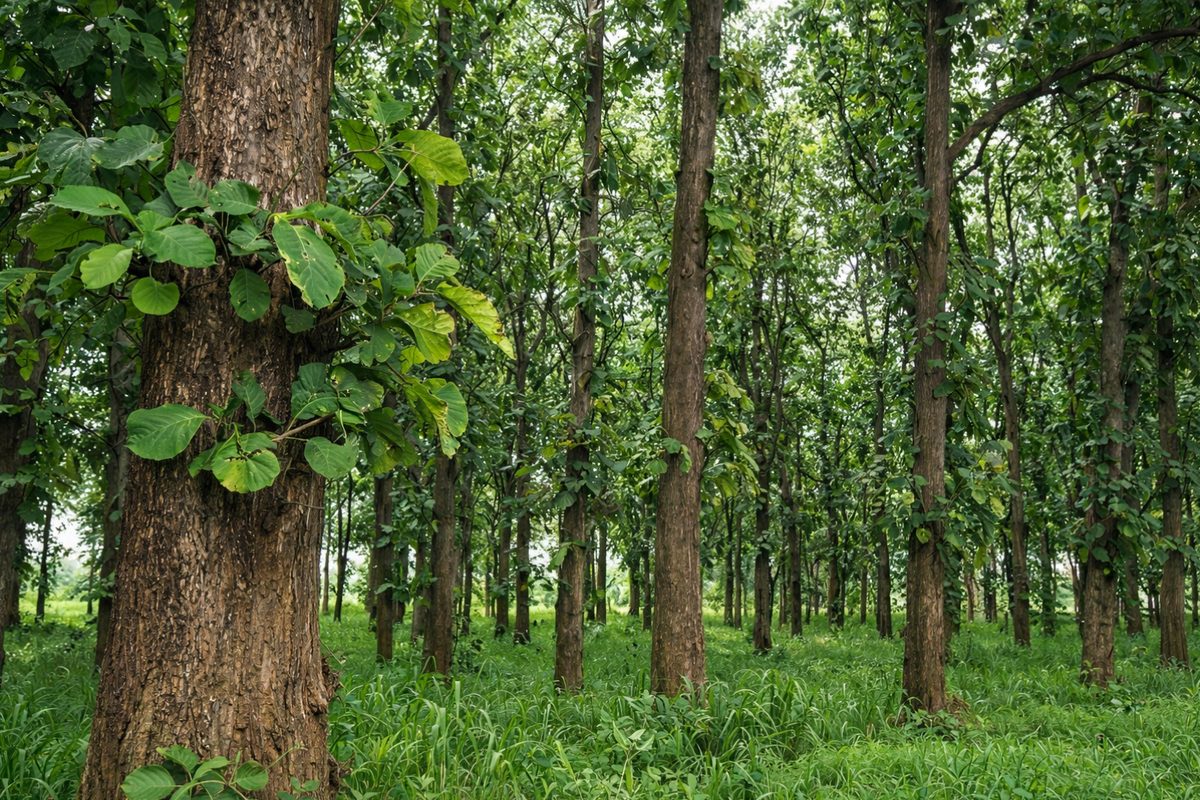
Walk into a teak plantation in Java and the first thing you notice is the calm. Towering trunks with rough, sun-baked bark stand in quiet rows. Their broad leaves filter the light into soft, green patterns on the forest floor. This is Tectona grandis, or jati, one of the most valuable hardwoods on the planet. For centuries, it has shaped Indonesian culture, from royal palaces to traditional Javanese homes.
More Than Just Wood
What makes teak special is not just its beauty. Teak contains natural oils and silica that make it incredibly resistant to water, pests, and rot. That is why shipbuilders have trusted it for decks since the Dutch colonial era. Today, it is still the gold standard for high-end outdoor furniture, luxury yachts, and flooring. A well-maintained teak piece can last for generations. It is furniture you inherit, not replace.
A Slow-Growing Investment
Teak does not grow overnight. A mature, harvest-ready tree can take 40 to 80 years. This slow growth is what gives the wood its dense grain and strength. It also means teak plantations are long-term commitments. In Indonesia, many are managed by Perhutani and local communities using a tumpangsari system, where farmers grow crops between young teak trees. This balances ecology with economy.
Sustainability Is the Real Game
With high global demand comes a risk: illegal logging. The good news is that Indonesia has pushed hard for sustainable forestry. Look for SVLK and FSC certifications when buying teak products. These labels mean the wood was harvested legally from managed forests, not stolen from protected areas. Choosing certified teak means you support village economies and keep these forests standing.
From Forest to Living Room
The journey of teak is fascinating. After decades of growth, selected trees are harvested, air-dried for months, and then kiln-dried to stabilize them. Skilled artisans in Jepara and Central Java then transform raw lumber into intricate carvings, minimalist tables, or sleek decking. Each piece carries the story of sun, rain, and time. When you buy teak, you are not just buying wood. You are buying a piece of Javanese heritage.
Why Teak Still Matters in 2026
In a world of fast furniture and plastic alternatives, teak stands for the opposite: durability, patience, and connection to nature. As consumers care more about where their products come from, the story behind teak becomes its biggest selling point. It is a reminder that the best things cannot be rushed.
Protecting the Giants for Tomorrow
The future of Indonesian teak depends on us. Supporting sustainable plantations, replanting programs, and transparent supply chains ensures these silent giants will still be here for our children. The forest in the photo is not just a collection of trees. It is a living bank of time, craft, and green wealth.
10 Hashtags for Your Blog Post:
1. #TeakWood
2. #IndonesianTeak
3. #SustainableForestry
4. #JatiIndonesia
5. #EcoFriendlyLiving
6. #Woodworking
7. #FurnitureDesign
8. #GreenGold
9. #JeparaCraft
10. #SlowLiving